
Indicator Organisms

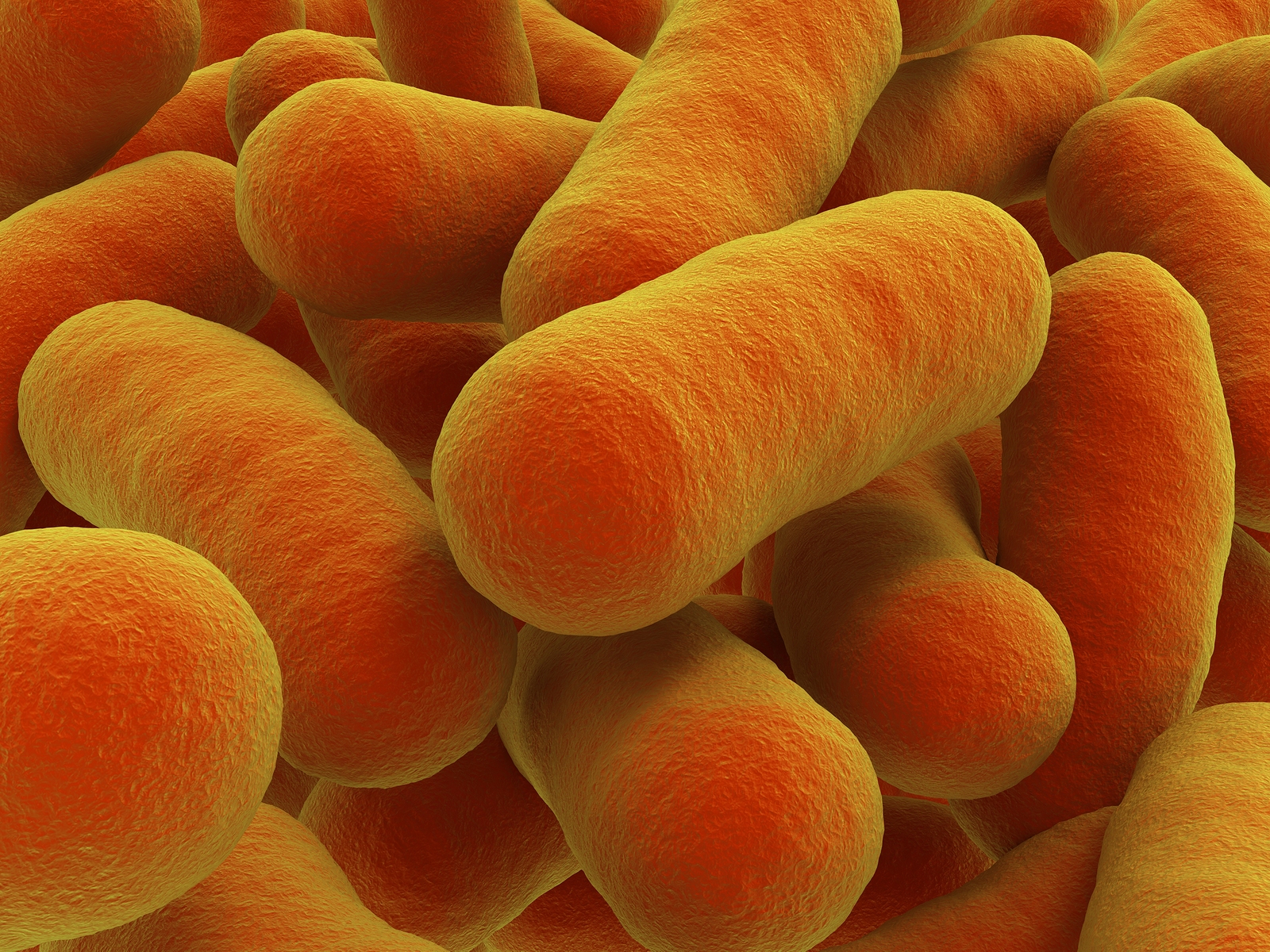
Indicator organisms are used to assess overall sanitation or environmental conditions that may signal or indicate the potential presence of pathogens of food safety concern. It is important to note that indicator species are not necessarily pathogenic. Indeed, certain indicator species, such as mold, can be toxic when consumed at a high enough level.
Many species are completely benign. Mainly, indicator species are used because current test methods for pathogens can be costly and time-consuming, making it highly inefficient to test large batches of product or environmental samples. Indicator species, on the other hand, can be tested for with relative ease, and act as an early-warning system that can signal contamination issues and the need for further diagnostic testing. Depending on their application, the major factors considered in classifying an organism as an indicator may include:
- their strong association with fecal contamination
- their co-habitation with pathogens of concern
- simple and efficient testing procedure
Indicator species have two major roles in food testing:
- quality: indicator species used to assess spoilage (e.g. mold growth)
- safety: the presence of indicator species can signal environmental conditions hospitable to the growth of pathogens or the presence of fecal contamination in the environment
For instance, a food processor may conduct routine testing either in-house or through an external lab for E. coli coliforms, a common indicator species that originate in fecal matter, in their rinse water.
E. coli coliforms are fairly common throughout the environment but you don’t want high levels in your food processing facility, because with fecal contamination comes the potential for the presence of other pathogens. Laboratory tests can determine a sort of baseline, or normal level, of E. coli coliforms in a given environment. If routine samples taken at the facility deviate upwards from this normal background level, it indicates that fecal contamination issues exist, leaving the operation susceptible to contamination and growth of dangerous pathogens. In this case, the processor would need to conduct a further investigation to check where the increase in E. coli coliforms is originating, and modify their food sanitation or production parameters to control the contamination before a food safety issue arises.
To have more articles like this emailed to your inbox, become a GFSR Member today!


-
 FeaturedRisk management
The Cost of a Breach: What a Cyberattack Could Mean for Food Safety Recalls
FeaturedRisk management
The Cost of a Breach: What a Cyberattack Could Mean for Food Safety Recalls
-
 FeaturedRisk management
Securing the Food Chain: How ISO/IEC 27001 Strengthens Cybersecurity
FeaturedRisk management
Securing the Food Chain: How ISO/IEC 27001 Strengthens Cybersecurity
-
 FeaturedRisk management
Revolutionizing Food Safety Training: Breaking Out of the “Check-the-Box” Mentality
FeaturedRisk management
Revolutionizing Food Safety Training: Breaking Out of the “Check-the-Box” Mentality
-
 GFSI Standards
GFSI 2025: Building Trust, Tech-Forward Solutions, and Global Unity in Food Safety
GFSI Standards
GFSI 2025: Building Trust, Tech-Forward Solutions, and Global Unity in Food Safety
-
 FeaturedFood Safety
Integrated Pest Management: Strategies to Protect Your Brand’s Reputation
FeaturedFood Safety
Integrated Pest Management: Strategies to Protect Your Brand’s Reputation
-
 FeaturedFood Safety Culture & Training
No Open Door Policy: Challenges That Impact Pest Control in Food Processing Plants
FeaturedFood Safety Culture & Training
No Open Door Policy: Challenges That Impact Pest Control in Food Processing Plants

Corporate Head Office
503-1316 Kingston Rd. Scarborough ON Canada, M1N 0C6
Phone: 1-888-437-7395 x105